
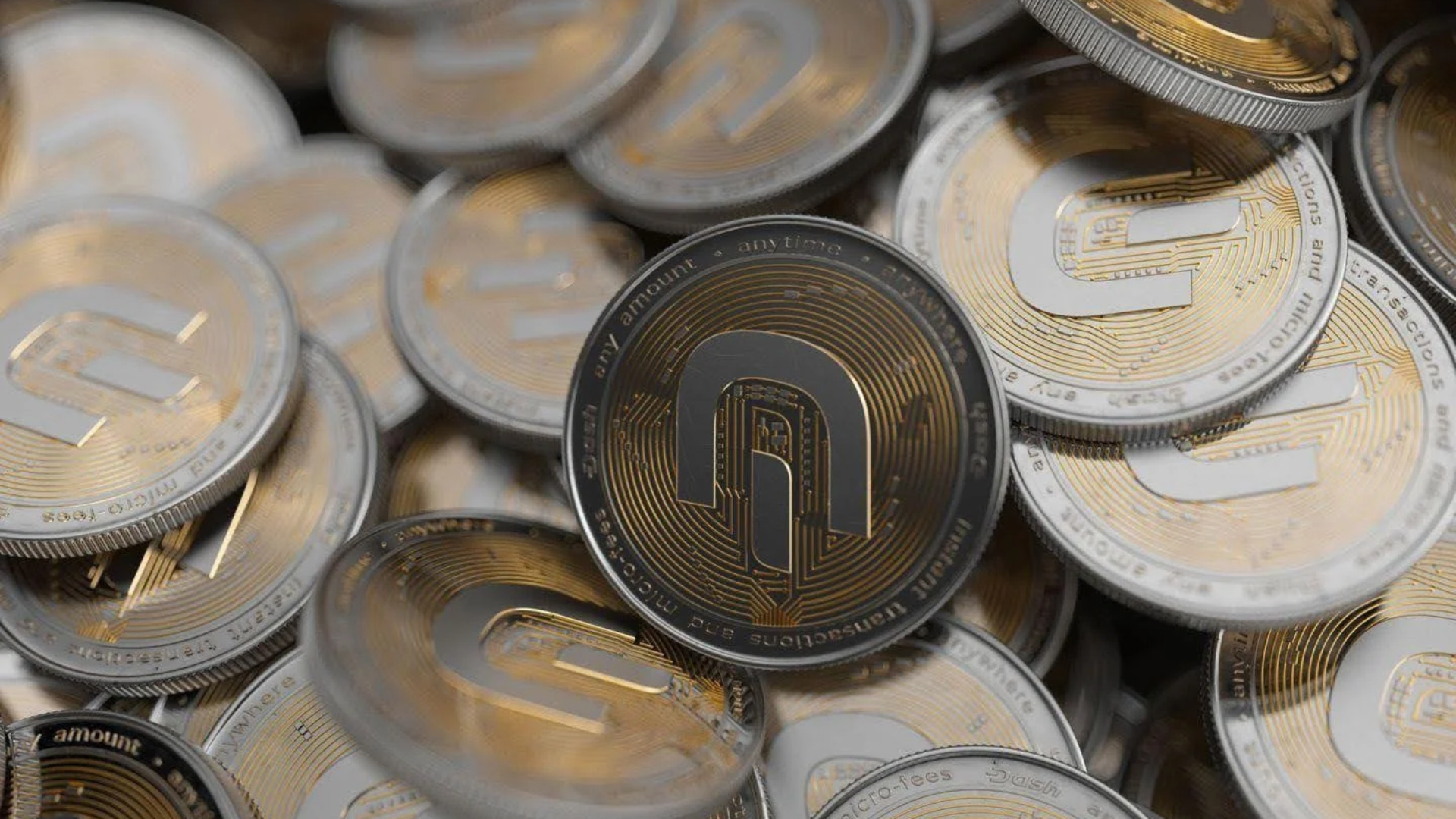
Pi Network announced several changes for app developers on September 4, 2026. They include ways to store information on a user’s device, access data about support for an app and let people share files. Their value to users depends on whether apps put them to work. Someone checking the Pi coin price can see a market quote, but that figure says nothing about whether a Pi app is useful. The question is what these features might let users do.
What Has Pi Network Added for Developers?
The September update gives selected Pi Browser apps access to local storage. An app can keep information such as preferences or a session state on the user’s device instead of asking its developer to store everything on a server. Pi says access is initially limited to whitelisted apps while it tests how the feature performs. A second tool lets developers see a user’s effective stake for their own app through the Ecosystem Directory Staking system. That figure accounts for the amount and duration staked. An app could use that information to recognize supporters. This access is also initially limited to whitelisted apps.
Developers can now add file and video sharing from within their apps. Pi also brought its developer instructions into one documentation site, covering steps from registering an app to preparing it for launch. Clearer instructions may save developers time, but the effect on users will depend on the apps they make.
How Might Those Tools Work in an App?
Imagine a Pi marketplace app used to arrange a purchase. A returning user might want the app to remember a display preference. If a question arises about the purchase, that user might need to send a picture of an item or share a receipt. The phone’s native sharing menu would let the user choose where to send the file instead of copying it into another app. Local storage and file sharing could make those two tasks easier to build into the app. This is an example of how the tools might be used, not an account of a marketplace that has adopted them.
Keeping information on a device is different from making a file available to someone else. Android Developers’ guide to app data and file storage distinguishes data kept for an app’s own use from files intended to be shared. Pi’s update similarly gives developers separate ways to retain information locally and let users share content. The Android guide does not verify any Pi app’s implementation.
Local storage has practical limits. Pi says the information remains associated with an account and device, so it will not automatically appear when someone changes phones. The space available to whitelisted apps is limited and older stored data may be removed when it fills up. A developer would need another approach for information that must be retained permanently. For example, a user might have to reset saved preferences.
What Do the PI Market Figures Show?
Binance displayed PI at $0.0867698, with $8.7 million in 24-hour trading volume and a market capitalization of $975.6 million, when its page was updated on September 24, 2026, at 9:19 a.m. UTC. Price is a quote for one PI; volume describes trading over the preceding day; market capitalization estimates the value of the circulating supply at the quoted price.
Market data captures trading, not app use. A follow-up would count apps adopting the features and check whether people complete tasks or return after trying them. The timestamp matters because prices change. The distinction between a price page and a trading service matters here too. Binance explicitly marks PI as not listed on its exchange for trading and services. Readers can view the market figures on the page without assuming that the presence of a price quote means they can trade PI there.
What Would Show the New Tools Are Useful?
The first evidence would be developers adopting these capabilities in apps people can actually use. An app team could show how local storage removes a repeated setup step, or how sharing an image helps users complete a task. User feedback would then help establish whether the change solves a problem instead of simply adding another button. Pi’s September announcement describes the tools and initial whitelist limits. It does not yet report which apps have implemented them. Better documentation could help developers get started; users will decide whether the resulting apps solve a problem.
Other networks face the same test. TechGuided asked in August 2026 whether XRP is ready for programmable finance through EVM sidechains, stablecoins and tokenization, and the answer there also depends on what developers actually ship.
For now, the marketplace example shows a plausible use, with an important boundary: a receipt that must survive a lost phone should not depend solely on temporary local storage. Buyers might need that receipt for returns or disputes. The test is whether developers adopt the tools and users return to the apps they build.
