
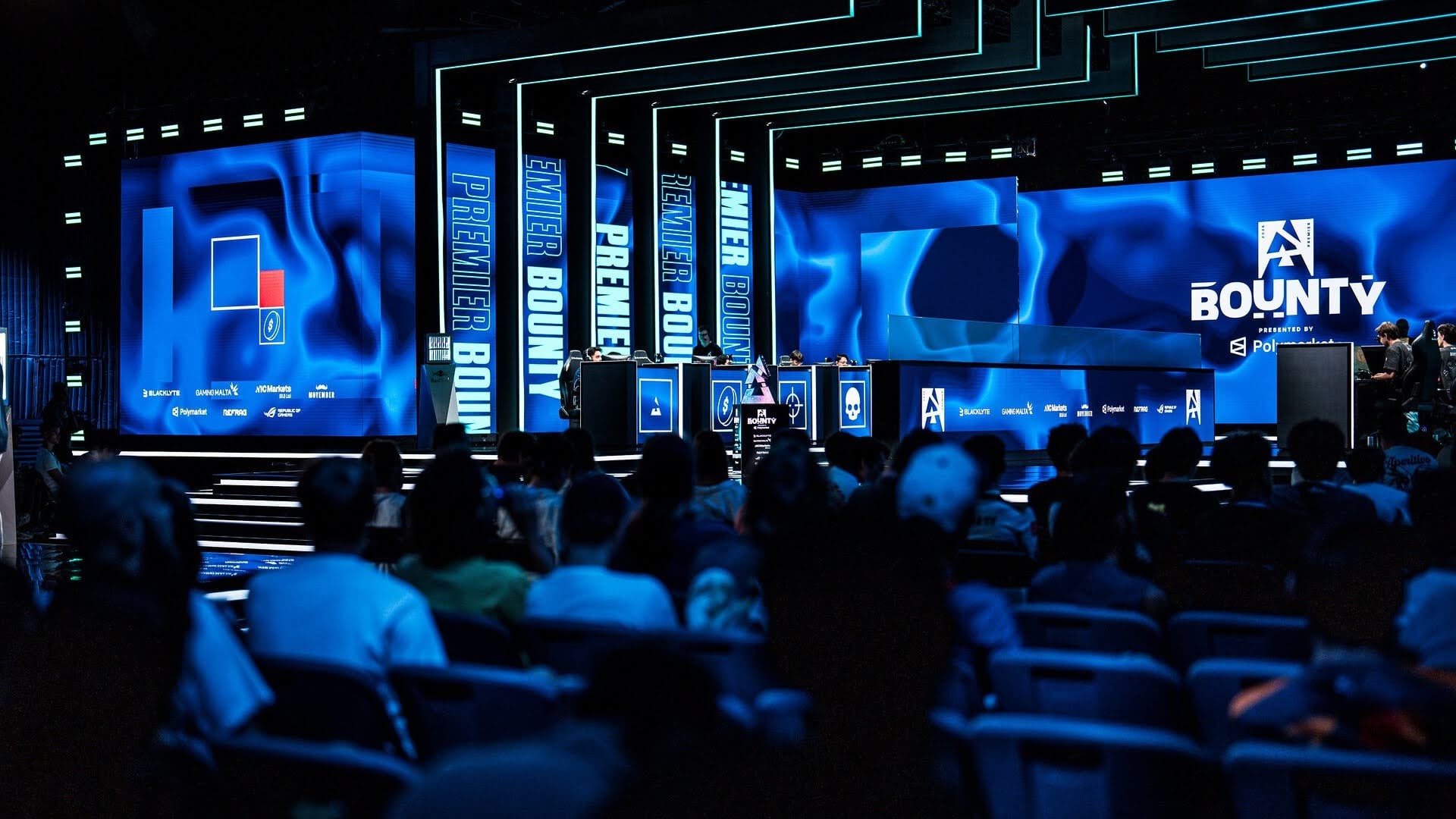
Between March and May 2026 alone, tier-one organizers packed 19 S-tier or higher events into 11 weeks. Top rosters were on pace for 60 to 80 official matches inside three months. ropz summed it up on social media on May 18: “We played 11 Bo3s in the last 9 days across 3 different countries.” He later clarified he wasn’t complaining about the tournaments themselves, just the volume.
The contracts make it worse. Multi-event partnership deals with two organizers alone can obligate a top org to roughly 14 to 16 events a year. Add Major qualifiers and regional qualifiers brackets, and turning down more than two or three events a season risks a world ranking slide. NiKo told HLTV on May 15: “We want to compete, but there’s no rest.”
How Thin Did the Active Duty Pool Get at IEM Rio 2026?
The numbers from that April event, tracked on HLTV, are stark. Mirage was played 21 times. Dust II followed with 19. Ancient managed 9, Inferno 8, Overpass 7, Nuke 5, and Anubis showed up exactly once across the entire tournament. Two maps out of seven carried the bracket.
That is not a rotation problem so much as a preparation problem. When a roster’s practice week gets swallowed by travel and Bo3s in three countries, the way ropz described, there is no runway left to drill a map that only shows up as a coin-flip pick.
Why Can’t Teams Find Time to Learn Cache?
Valve’s fix for the imbalance is simple on paper: cut whichever map posted the lowest pick rate at the last Major and slot in a replacement. Overpass lost that lottery after IEM Cologne Major 2026, and Cache returned to Active Duty on July 9 after a seven-year absence, per EGamersWorld’s own coverage of Premier Season 5. The new seven-map pool reads Dust II, Mirage, Inferno, Nuke, Ancient, Anubis, and Cache.
On paper, the swap widens the pool. In practice, it lands on rosters that never had spare practice hours to begin with. Cache demands tight mid control and precise smoke and flash timing on both sites, a different skill set from the AWP-and-connector habits Overpass rewarded, and Falcons’ own m0NESY and kyousuke reportedly had never played the map at a competitive level before it went live.
What Happens When a Team’s Only “Safe” Map Gets Cut?
Hotspawn’s analysis of the swap singled out Vitality as the clearest loser: Overpass was the team’s most frequent first pick, a map they had lost only once in months, a run built on a calendar too tight to also stress-test three or four backup options. Falcons, by contrast, walked away from Cologne with a full seven-map pool and NiKo already carrying Cache reps from years earlier, which the same analysis called the biggest structural edge heading into the second half of the season.
One roster’s shallow pool became a liability the moment Valve changed the rules. The other’s depth became a weapon, built on years of habit rather than a single bootcamp.
Does Anyone Actually Track All of This?
For fans trying to keep every bracket straight, EGamersWorld’s counter-strike tournaments page updates start dates, prize pools, and qualifier slots as they change, which matters when a schedule shifts inside a single week the way PGL’s own calendar did twice in late 2025 to dodge overlaps, according to the tournament’s page on Liquipedia. Checking that page mid-tournament, rather than relying on a screenshot from a month back, is often the only way to know which two events a mid-tier roster actually had to choose between.
Is Valve’s Pick-Rate Rule Actually Fixing the Problem?
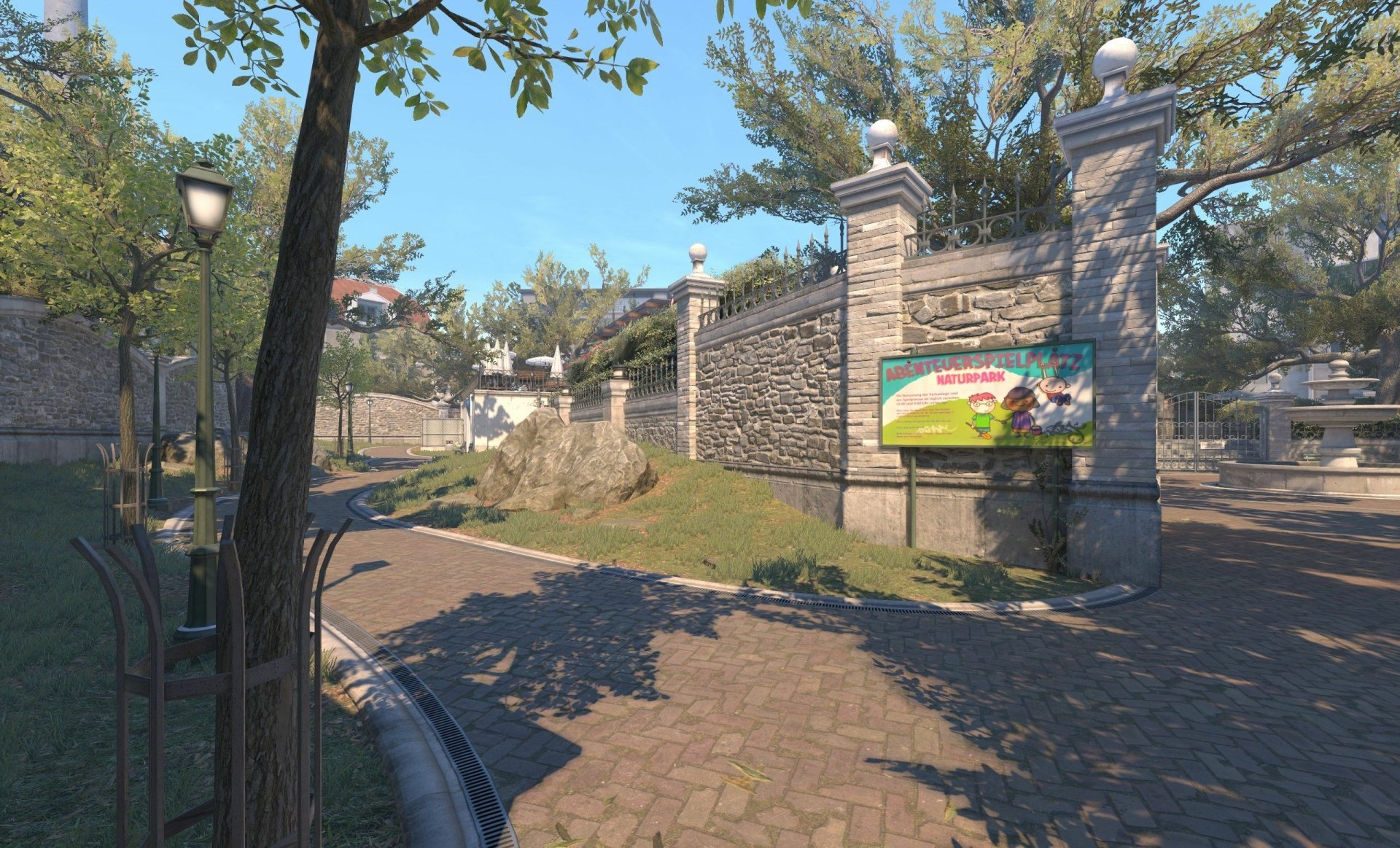
Early tracking already has Cache sitting near the bottom of the pick-rate list too, the same danger zone that got Overpass cut. If the rule holds, Dust II, Mirage, Inferno, Nuke, and Ancient will likely never leave the pool regardless of age, because no team has the practice hours to gamble on anything else. Rotating the seventh slot without touching the calendar just moves the shallow end of the pool from one map to the next.
BLAST Bounty Summer, which opened July 21, became the first tier-one test of the new pool. How quickly top seeds build a credible Cache map by IEM Krakow and Rio’s next edition will say more about the 2026 calendar than about the map itself. A schedule that leaves no room to prepare will keep producing pools that look wide on a graphic and narrow in every veto.
