
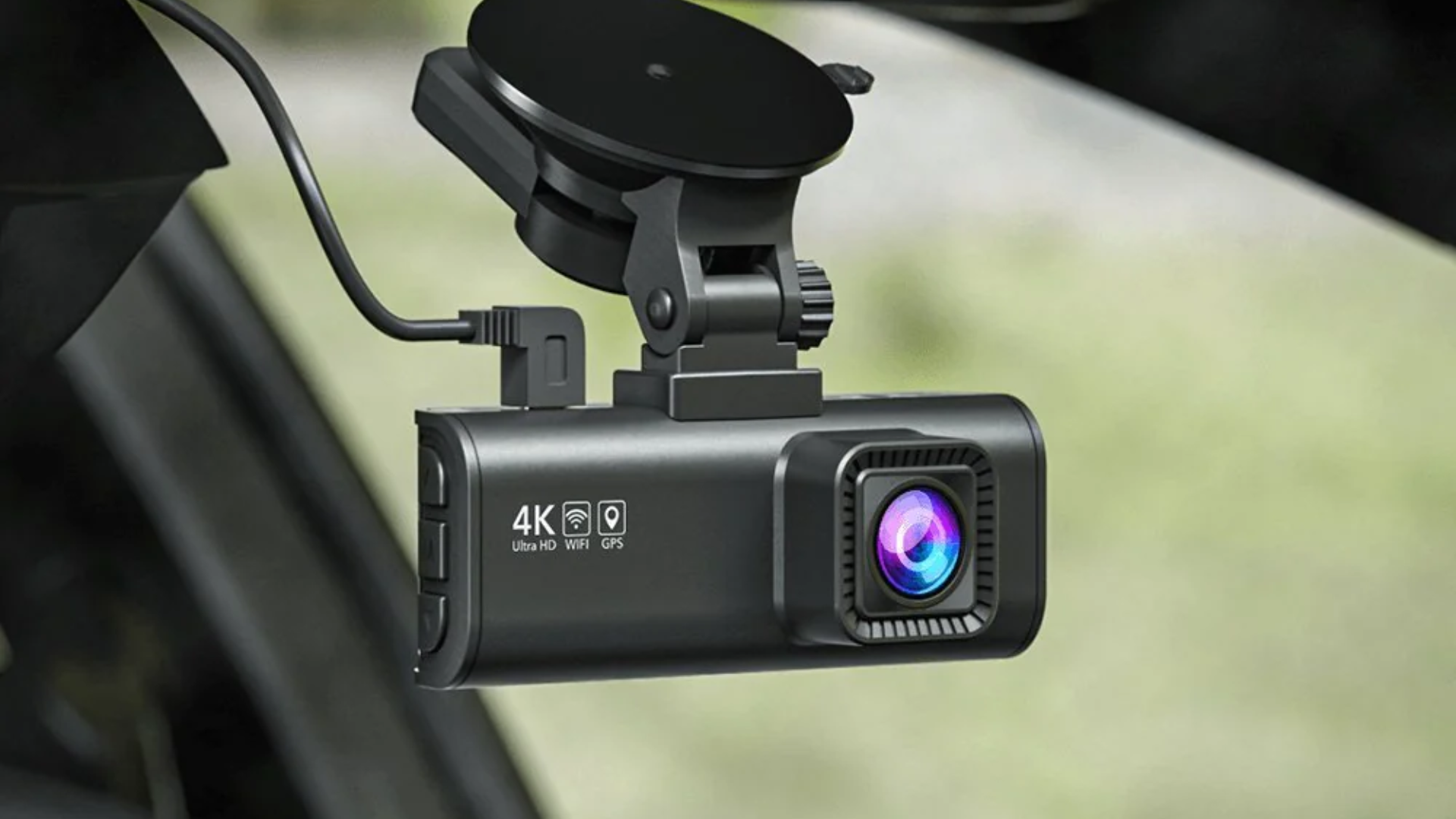
Dash cams used to feel like a luxury reserved for tech enthusiasts or professional drivers. That’s no longer true. Today a genuinely capable camera that records sharp reliable footage doesn’t require a huge investment in premium hardware. If you’re shopping on a budget and want real protection without overpaying, here’s what actually matters and which options are worth considering.
Why a Budget Dash Cam Still Needs to Perform Well
The biggest misconception about budget dash cams is that “affordable” means “compromised.” In reality the core things a dash cam needs to do well are capture clear video, start recording automatically and hold up as evidence in a dispute. None of that requires the most expensive sensor on the market.
What matters is whether the camera you choose still delivers dependable resolution, functional night recording and stable mounting even at a lower price point. A dash cam that looks good on paper but produces blurry unusable footage in a real incident isn’t actually saving you money. It’s just delaying the cost of replacing it.
What Is the Best Dash Cam Under $200?
The Redtiger F8 is a strong pick for drivers who want reliable video quality without spending premium tier money. It’s built for everyday drivers, commuters and anyone who wants solid protection against accidents, false claims or hit and runs but doesn’t want to pay for features they’ll never use.
The F8 solves the common budget camera problem of grainy or washed out footage by focusing on clear daytime and nighttime recording instead of piling on extras it doesn’t need. Its main strengths are sharp resolution for the price, dependable night vision and a setup that doesn’t require technical expertise to get right. Drivers choose the F8 because it hits the sweet spot between price and performance. Capable enough to trust in a real incident and affordable enough that it doesn’t feel like a splurge.
What to Look for When Choosing a Front Camera for Your Car
If you’re comparing options in this price range a few specs make the biggest difference in real world use.
- Resolution: 1440p or higher is worth prioritizing since lower resolutions can make license plates unreadable at a distance.
- Night vision quality: Since many accidents and disputes happen after dark and weak low light performance defeats the whole point of having a camera.
- Field of view: A wider angle around 140 to 170 degrees captures more of the road and surrounding lanes which matters in multi car incidents.
- Mounting stability: Since a camera that shifts or vibrates loose produces shaky less usable footage over time.
- App and storage support: For easy footage transfer and dependable microSD support when you actually need to pull a clip.
Front Camera vs Full Multi Camera Systems: Which Do You Need?
Not every driver needs a multi channel setup with front rear and cabin coverage. A dedicated front camera for car use is often the right call for drivers whose main concern is what happens directly ahead. Merging traffic, sudden stops, intersection collisions and general road documentation. This is usually the better fit for:
- First time dash cam buyers who want solid coverage without a complex setup
- Daily commuters whose main risk is front-end or intersection collisions
- Budget conscious drivers who want dependable protection without paying for rear or interior channels they may not need
- Older or simpler vehicles where installing a multi camera system isn’t practical
If you deal with rear-end risk regularly, carry rideshare passengers or want full cabin monitoring a multi channel system may be worth the extra cost. For a large share of everyday drivers though a well built single front camera covers the situations that matter most.
Common Questions About Budget Dash Cams
Does a cheaper dash cam mean lower video quality?
Not necessarily. Price is often driven more by brand extras, app features and multi camera setups than by core recording quality. A well designed single camera model under $200 can still deliver sharp usable footage.
Will a budget dash cam still work well at night?
It depends on the specific camera’s sensor and night vision processing and not just its price tag. This is one of the most important specs to check before buying since footage quality after dark often determines whether a clip is actually useful.
Is installation difficult for a front only dash cam?
Generally no. Single front camera setups are simpler to install than multi channel systems since there’s only one unit to mount and wire. That makes them a good fit for drivers who want protection without a complicated setup process.
Do I need parking mode on a budget camera?
If you park in shared lots, on the street or anywhere with a risk of hit and run damage parking mode is worth having even on a budget model since it protects you when the car isn’t actively being driven.
Final Thoughts
Staying under $200 doesn’t mean settling for weak footage or unreliable hardware. The key is focusing on the specs that actually affect real world performance like resolution, night vision, field of view and mounting stability instead of paying extra for features you won’t use. For drivers who want dependable no nonsense protection at a reasonable price a solid front camera for car use like the Redtiger F8 gives you the coverage that matters most without the premium price tag.
