
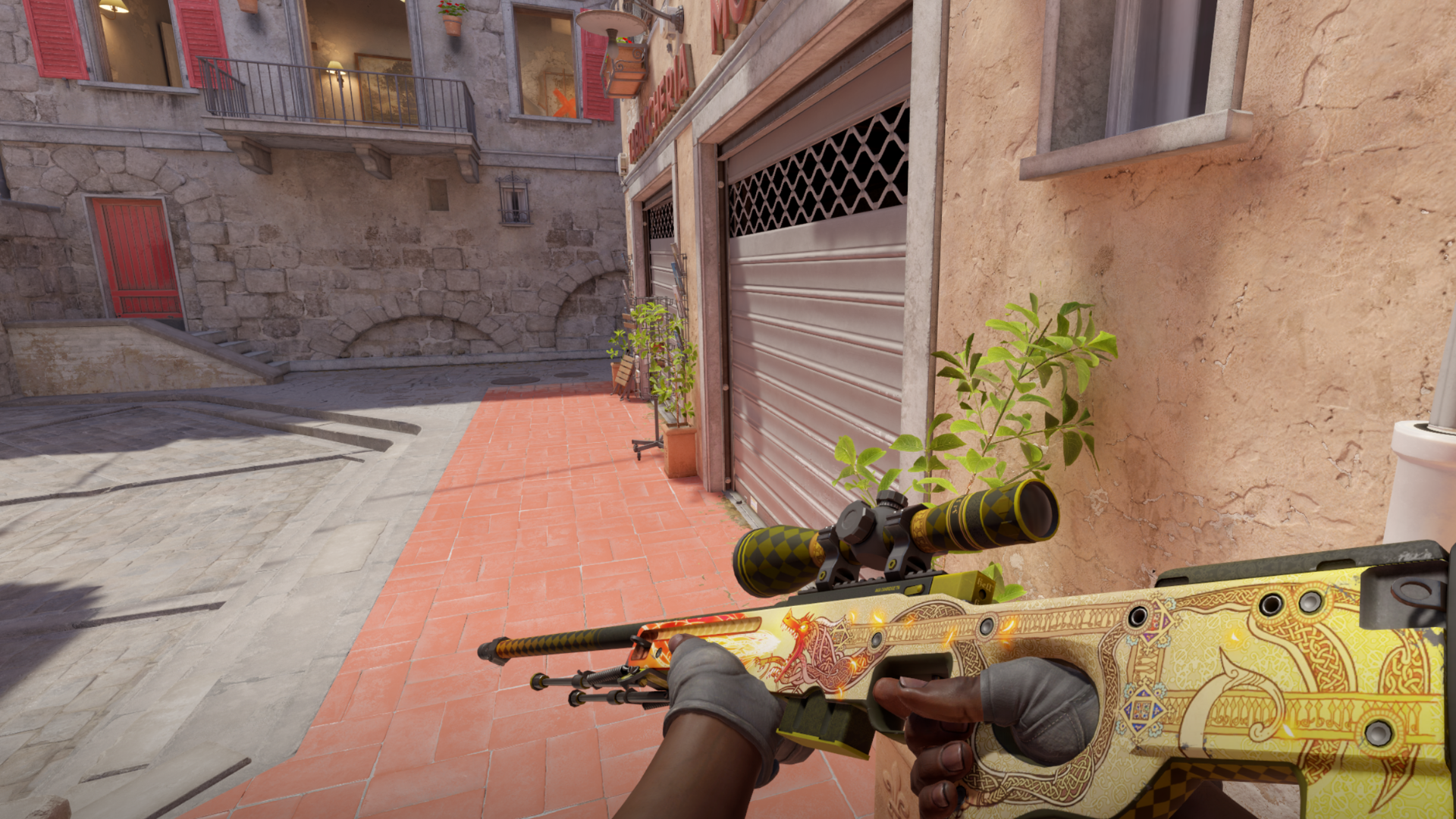
Starting with the IEM Cologne 2026 Major, players no longer obtain souvenir skins by opening souvenir packages. Valve replaced the long-running package system with a new mechanic that lets players create souvenir versions from almost any compatible skin. The process gives players control over the skin, match, and player autograph instead of leaving the result to a package opening. That change immediately affected older rare souvenirs whose prices depended on limited supply and tournament origin.
How the New Mechanic Works
Souvenir-O-Matic is available through the IEM Cologne 2026 Major Hub in CS2. The conversion follows a short sequence:
- Launch CS2 and open the IEM Cologne 2026 Major section.
- Select a completed match whose team stickers and map marking should appear on the souvenir.
- Choose a compatible non-StatTrak skin from the inventory for conversion.
- Remove all stickers previously applied to the skin,because the conversion can’t proceed while any stickers remain.
- Select a player who took part in the chosen match. That choice determines the autograph added to the skin.
- Pay the required cost with Major tokens. The amount depends on the selected skin’s rarity and demand for the Gold team and autograph stickers used in the craft.
- Complete the conversion and receive the souvenir skin with Gold team stickers, the selected autograph, and the match marking.
Previously, players received an unknown skin by opening a souvenir package linked to a selected match. Souvenir-O-Matic replaces that random result with a controlled process where players choose the skin, match, and autograph before conversion.
Old Rare Souvenirs Took the First Hit
A Fixed Supply Supported Higher Prices
Older souvenir prices depended heavily on a fixed supply. Once a Major ended, no additional examples with the same tournament origin, map, teams, and player autograph could enter circulation. Collectors therefore paid higher prices for combinations connected to completed events. The Cologne 2026 update removed that restriction by allowing players to create selected souvenir versions directly. Prices for expensive older souvenirs dropped sharply as buyers began comparing them with the cost of producing new examples.
Dragon Lore Became the Main Market Example
The Souvenir AWP Dragon Lore received the most attention after the update. Its older souvenir versions had historically traded above the standard skin due to their Cobblestone Major origin and limited availability. Converting an eligible Dragon Lore into a new souvenir version cost much less than buying an older example at its previous market level. That difference reduced the price gap, and Dragon Lore listings dropped faster than those of many other souvenir skins.
Dragon Lore Demand Survived the Price Drop
The price decline changed how the market valued the Souvenir AWP | Dragon Lore, yet it didn’t remove demand for the skin itself. Collectors still distinguish older Cobblestone souvenirs by tournament, match, autograph, float, and sticker placement, while newer Cologne 2026 crafts form a different supply group. Market activity also remained steady across tracked marketplaces after the initial repricing. Factory New listings later posted a short-term rise, although Minimal Wear prices remained volatile and below earlier levels. This pattern reflects a correction in the rarity-based price gap, while older examples retained separate value through their original Major combinations.
What the Change Means for the Souvenir Market
Conversion Cost Became a Market Benchmark
Cologne 2026 crafts give traders a visible cost basis for each new souvenir. Two examples made from the same base skin can enter the market at different costs because the selected player and team stickers carry different token prices. That creates a practical comparison point for listings. When a souvenir is listed far above the cost of producing a similar combination, buyers can measure the difference before purchasing. As a result, trading activity may concentrate around popular players, teams, and maps, where more comparable items enter circulation.
Future Majors Will Add New Supply Cycles
Future Majors can create new supply cycles tied to different matches, autograph pools, and team combinations. Crafting activity may rise while the event shop and tokens remain available, then slow after access changes. Souvenir skins can also be placed into trade-up contracts, although the resulting item loses Souvenir quality and becomes a normal higher-tier skin. That rule can gradually remove lower-tier crafted souvenirs from circulation. Future prices will react to conversion activity, token availability, player popularity, and trade-up use, giving each Major its own market cycle.
The Market Has Not Found Its New Balance
Valve’s souvenir redesign has become one of the most significant changes to the CS2 market in recent years, affecting both newly crafted and historical items. The first months brought sharp repricing, followed by signs that demand for legendary skins can survive at a lower market level. The next stage will depend on how long crafting remains available and whether Valve repeats the system at later Majors. Souvenir prices will continue adjusting to production costs, conversion volume, and the tournament history attached to older items.
