
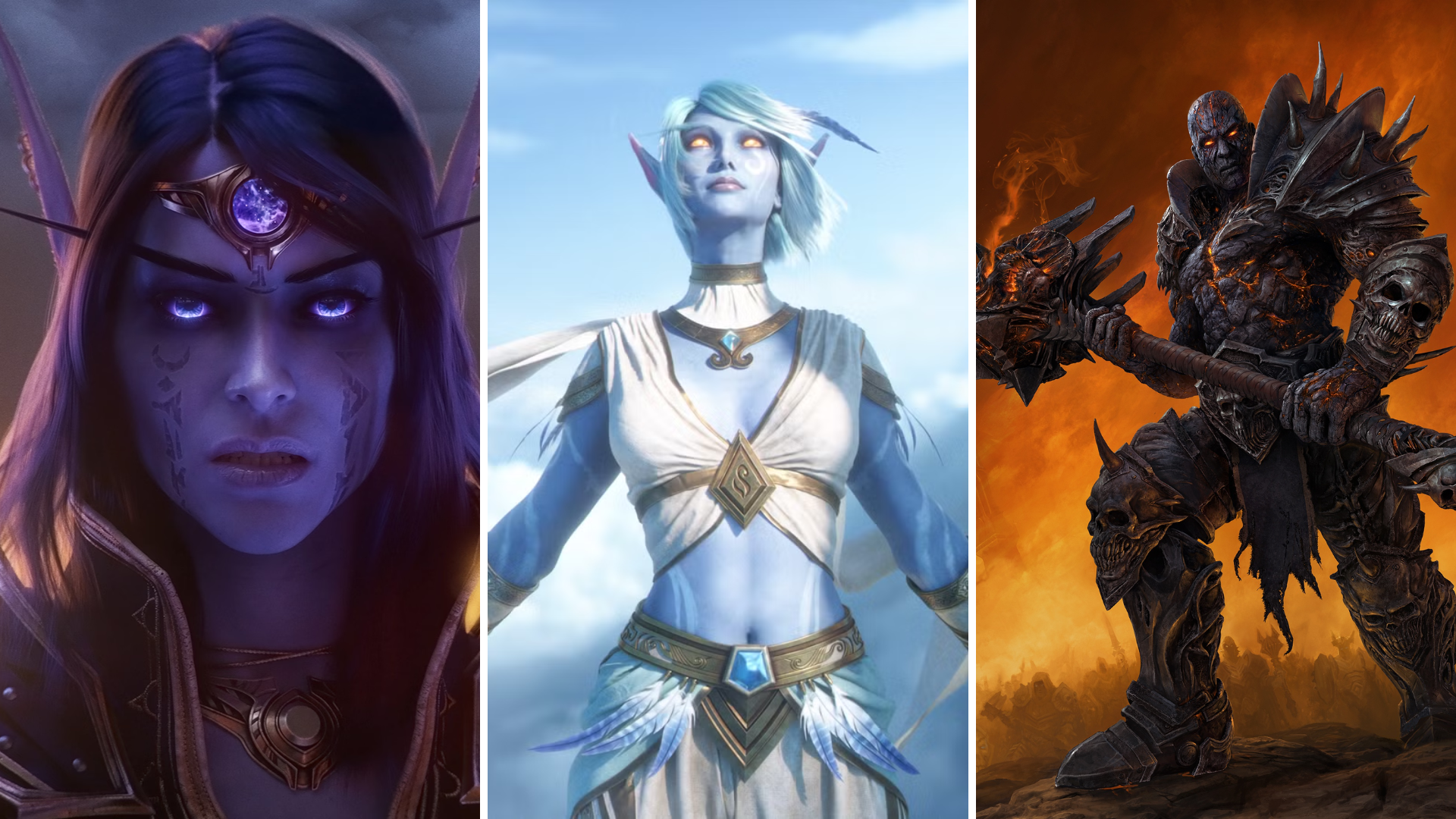
 Looking for a complete list of World of Warcraft expansions? Below, we’ve listed the base game, every mainline expansion, and the major Classic expansion rereleases in order, including Midnight and a breakdown of the upcoming WoW Forever launch.
Updated September 17, 2026.
Since its debut in 2004, World of Warcraft has grown through new continents, playable races, classes, and ways to explore Azeroth. In 2026, there’s also more than one version of WoW to keep track of.
There are 11 released mainline WoW expansions, with Midnight the latest. The Last Titan is the announced twelfth. Classic rereleases revisit earlier expansions, while WoW Forever is a separate experience scheduled for November 4, 2026.
The list below follows release order, with upcoming titles at the end. Its entry numbers include the base game and Classic releases; they are not official expansion numbers. Seasonal modes and events are covered separately below.
More WoW Articles:
WoW Games and Expansions in Release Order
3. Wrath of the Lich King (2008)
9. World of Warcraft Classic (2019)
11. Burning Crusade Classic (2021)
12. Wrath of the Lich King Classic (2022)
16. Mists of Pandaria Classic (2025)
17. Burning Crusade Classic Anniversary Edition (2026)
18. Midnight (2026)
1. World of Warcraft (2004)

World of Warcraft is the original game, rather than an expansion. It brought the Warcraft setting into a persistent online world where players could create a character, choose the Alliance or Horde, and explore Azeroth together.
The original level cap was 60, and the adventure centered on the Eastern Kingdoms and Kalimdor. Quests, professions, dungeons, raids, and player-versus-player combat established the foundation that later expansions would build on.
The level caps below describe each expansion when it originally released. Modern WoW has since changed its leveling system, so those historical caps do not necessarily reflect how you play older content today.
2. The Burning Crusade (2007)

WoW’s first expansion took players through the Dark Portal to Outland and raised the level cap from 60 to 70. Flying mounts opened up a new way to explore, while raids such as Karazhan and Black Temple became some of the expansion’s most recognizable destinations.
The Burning Crusade added blood elves to the Horde and draenei to the Alliance. These were new races, not classes: blood elves gave the Horde access to paladins, while draenei brought shamans to the Alliance.
Other major additions included Jewelcrafting, the Eye of the Storm battleground, and competitive Arena matches for teams of two, three, or five players.
3. Wrath of the Lich King (2008)

Wrath of the Lich King sent players to Northrend to confront Arthas and the Scourge, raising the level cap from 70 to 80.
Its signature addition was the death knight, WoW’s first hero class. Death knights originally began at level 55 and played through a dedicated introduction before joining the Alliance or Horde.
The expansion also introduced Inscription, the Wintergrasp outdoor PvP zone, and raids including Ulduar and Icecrown Citadel. Its story built toward the confrontation with the Lich King himself.
4. Cataclysm (2010)

Cataclysm reshaped much of the original Eastern Kingdoms and Kalimdor after Deathwing’s return. Familiar leveling zones received new terrain, quests, and storylines as Azeroth dealt with the aftermath of the Shattering.
The expansion raised the level cap from 80 to 85, added worgen to the Alliance and goblins to the Horde, and introduced high-level destinations such as Mount Hyjal, Deepholm, Uldum, and the Twilight Highlands.
Flying in the original continents and the Archaeology profession gave players more reasons to revisit the world.
5. Mists of Pandaria (2012)

Mists of Pandaria introduced the continent of Pandaria, increased the level cap to 90, and added the monk class. Its new playable race, the pandaren, could choose to join either the Alliance or Horde after completing their starting adventure.
Alongside the faction conflict and the threat of the Sha, the expansion added timed Challenge Mode dungeons, three-player scenarios, and the Pet Battle system. Previously cosmetic companion pets could now take part in turn-based battles.
6. Warlords of Draenor (2014)

Warlords of Draenor took players to an alternate version of Draenor before its destruction into Outland. The Iron Horde drove the story, and the level cap increased to 100.
Garrisons gave each player a base to develop, complete with buildings and recruitable followers. Updated character models refreshed many of the original races, while a revised raid structure introduced the 20-player Mythic difficulty.
7. Legion (2016)

Legion brought the Burning Legion back to Azeroth, introduced the Broken Isles, and raised the level cap to 110. That was Legion’s historical cap; it is not the current maximum level.
The new demon hunter hero class originally started at level 98. Artifact weapons and class Order Halls gave each class its own progression and storyline, while World Quests expanded the activities available at maximum level.
Legion also introduced Mythic+ dungeons, adding timed runs and escalating difficulty to the dungeon experience.
8. Battle for Azeroth (2018)

Battle for Azeroth refocused the story on the Alliance and Horde, taking players to Kul Tiras and Zandalar. It raised the level cap from 110 to 120 and introduced systems such as the Heart of Azeroth, Island Expeditions, and Warfronts.
Allied races expanded character creation with additional peoples recruited into the two factions. They were not simply existing races switching sides.
If you’re planning a new computer for WoW, our budget gaming PC builds and gaming PC builds offer starting points for different budgets.
9. World of Warcraft Classic (2019)
WoW Classic recreated the original level-60 adventure, giving players another chance to experience Azeroth before The Burning Crusade. It is a separate version of WoW, rather than a new expansion for the modern game.
Classic subsequently developed several branches. Classic Era preserves the original setting, while progression releases revisit later expansions. A Classic expansion’s original release date does not mean dedicated servers for that expansion remain available indefinitely.
10. Shadowlands (2020)

Shadowlands was WoW’s eighth mainline expansion and took players into Azeroth’s afterlife. Its major features included Covenants, the Maw, and the Torghast tower.
The expansion arrived alongside a major level squish: existing level-120 characters became level 50 in the pre-patch, then progressed to the new cap of 60 in Shadowlands.
11. Burning Crusade Classic (2021)

Burning Crusade Classic launched on June 1, 2021, revisiting Outland, the level-70 cap, blood elves, draenei, and the original expansion’s dungeons and raids.
This was a Classic rerelease of the 2007 expansion. It did not add another expansion to modern WoW’s mainline count. The separate Burning Crusade Classic Anniversary Edition followed in 2026.
12. Wrath of the Lich King Classic (2022)

Wrath of the Lich King Classic launched in September 2022, bringing the Classic progression journey to Northrend. Players could once again level to 80, create death knights, and work toward facing Arthas in Icecrown Citadel.
Like Burning Crusade Classic, it revisited an existing expansion rather than continuing modern WoW’s story.
13. Dragonflight (2022)

Dragonflight launched in November 2022 and took players to the Dragon Isles. It raised the level cap to 70 and introduced the dracthyr race and evoker class.
Dragonriding made aerial travel more active, with momentum and movement abilities replacing simple point-to-point flying. The expansion also rebuilt talent trees and overhauled professions with features including crafting orders and profession specializations.
14. Cataclysm Classic (2024)
Cataclysm Classic launched on May 20, 2024, continuing the Classic progression timeline beyond Wrath of the Lich King.
It revisited Deathwing’s devastation, the redesigned original continents, goblins and worgen, and the level-85 endgame. Its place in the release list is separate from the original Cataclysm expansion in 2010.
15. The War Within (2024)

The War Within launched on August 26, 2024, as WoW’s tenth mainline expansion and the opening chapter of the Worldsoul Saga.
Players traveled to Khaz Algar and leveled to 80 across the Isle of Dorn, The Ringing Deeps, Hallowfall, and Azj-Kahet. Xal’atath, the Harbinger, is central to the Void threat and the conflict involving the nerubian empire.
Major additions included the playable earthen allied race, Hero Talents, and Delves: smaller adventures that support solo players or groups. Warbands also expanded shared progression and convenience across a player’s characters. Blizzard’s launch overview covers these systems and the expansion’s setting.
16. Mists of Pandaria Classic (2025)
Mists of Pandaria Classic launched on July 21, 2025. It brought the Classic progression branch to Pandaria, with monks, pandaren, and a level cap of 90.
This release revisited the 2012 expansion, including its dungeons, raids, and class changes. It is distinct from the limited-time Mists of Pandaria Remix event in modern WoW.
17. Burning Crusade Classic Anniversary Edition (2026)
Burning Crusade Classic Anniversary Edition launched on February 5, 2026, taking the Anniversary progression journey through the Dark Portal into Outland.
It is another opportunity to experience The Burning Crusade in Classic, separate from the 2021 rerelease. Access is included with a WoW subscription or game time.
18. Midnight (2026)
Midnight launched on March 2, 2026. It is WoW’s eleventh mainline expansion, the second chapter of the Worldsoul Saga, and the latest released expansion as of this update.
The story returns to Quel’Thalas as Xal’atath’s forces threaten the Sunwell. Players level to 90 while exploring Eversong Woods, Zul’Aman, Harandar, and Voidstorm.
Standout additions include player Housing, the haranir allied race, the Devourer demon hunter specialization, and the Prey outdoor hunting system. Dungeons, raids, and Delves continue the modern game’s endgame progression.
19. World of Warcraft: Forever (2026 — Upcoming)
WoW Forever is scheduled to launch on November 4, 2026. Its beta begins September 17. As of this article’s September 17 update, the full game has not launched.
Blizzard describes Forever as a permanent third WoW experience alongside modern WoW and Classic. It returns to the original Azeroth and the level-60 journey, with new adventures built around that setting. It is not the twelfth mainline expansion or a replacement for Midnight. See Blizzard’s Forever announcement.
Launch dates and access
- Full launch: November 4, 2026, at 3:00 p.m. PST.
- Beta: September 17 through October 21, 2026.
- Base access: Included with an active WoW subscription or game time at launch.
- Skyborne Heroic Pack: Adds the Skyborne race and Zephras Isle starting experience, early name reservation, and bonus items.
- Skyborne Epic Pack: Adds beta access, additional rewards, and 30 days of game time beginning November 4.
- Warcraft Forever Collection: Includes the Epic Pack benefits plus Warcraft III: Reforged and its Forsaken Kingdom campaign.
The subscription grants access to Forever, but the Skyborne race and beta access have separate upgrade requirements. Blizzard lists the details in its edition and access guide.
New zones, dungeons, and raids
The announced regions include Mount Hyjal, Shen’dralas, and Riverglades, plus the Skyborne starting area on Zephras Isle. Blizzard has announced more than 1,000 new quests and nine new dungeons.
Two new raids, Barrow Deeps for 10 players and Hyjal Summit for 20, are scheduled to unlock December 9. The Darkspear Islands battleground adds 15-versus-15 PvP. These are announced plans, rather than content already available in the live game.
How Forever changes the original WoW experience
Forever retains a focus on exploration and social play, with no flying mounts or level scaling. New class abilities and talent changes accompany Camping, optional Transmog, visual presets, and official controller support. Blizzard’s What’s Next recap outlines the content and design.
The Legacy System rewards challenges across your characters. Shared Legacy Points can be allocated separately by each character into Professions, Adventure, and Resourcefulness trees, with a 16-point spending cap at launch.
Forever also uses ruleset-based matchmaking instead of asking players to choose a traditional realm. Players can group within the same ruleset, while faction restrictions remain. Hardcore is planned for after launch. Blizzard’s Deep Dive recap explains these systems.
20. The Last Titan (Upcoming)
The Last Titan is the announced twelfth mainline expansion and the concluding chapter of the Worldsoul Saga. It follows Midnight and returns the story to Northrend and the titans.
BlizzCon 2026 coverage from GamesRadar places its release in 2027, while Blizzard says more information will arrive early that year. It remains unreleased as of September 17, 2026; a specific launch date is not confirmed in the official recap linked below. The official announcement recap also identifies Midnight’s Eclipse update as the next major step in the current story.
What About Other WoW Versions and Modes?
Classic Era, Hardcore, Season of Discovery, and the Anniversary realms provide additional ways to play older WoW content. They are distinct from new mainline expansions. Likewise, limited-time events such as Remix do not increase the expansion count.
For players comparing the three broader choices in 2026, modern WoW continues through Midnight and the Worldsoul Saga; Classic revisits earlier eras; and the upcoming Forever builds new adventures within a reimagined original Azeroth.
💰 Expansions Mean Grinding: The Reality of the In-Game Gold Economy
Across more than two decades of major content updates, one underlying aspect of Azeroth has remained entirely unchanged: the massive time investment required to keep your characters geared and well-funded. Every new era introduces steep financial hurdles, from unlocking expensive riding tiers to purchasing top-shelf raid consumables and crafting components.
Instead of farming endlessly for rare materials or playing the auction house for hours, you can save time and look for reliable World of Warcraft gold for sale online to safely secure your character’s progression. This is especially helpful when a major patch drops and market prices skyrocket overnight, allowing you to completely bypass the tedious resource grind and focus directly on enjoying the new endgame content.
Which World of Warcraft Expansion Is Your Favorite?
From the original journey across Azeroth to Midnight’s battle against the Void, WoW has spent more than two decades adding new places to explore and new ways to play. Classic gives players a chance to revisit earlier eras, while Forever promises a different future for the world where it all began.
Which WoW expansion is your favorite, and are you planning to try Forever? Let us know below!
